DR.DIFFERENT · BRAND & LISTING DESIGN + E-COMMERCE
Designing a clearer visual language for science-backed skincare on Amazon.

DR. DIFFERENT

OVERVIEW
PROJECT SUMMARY
During my work at Dr.Different, I redesigned their former designs for Amazon product listing and their brand identity/stories. Here, I gained experience in digital rebranding, design in e-commerce, and marketing strategies for cosmetic brand tailored to a global market.
ROLE
Brand & Product Designer
COMPANY
Dr.Different
DURATION
5 Months
FOCUS
Brand Storytelling · Brand Design • Figma
SOFTWARE
Adobe Creative Suite • Figma • Claude
RECOGNITION
20% increased social engagement
AT A GLANCE
RESEARCH SUMMARIZATION
ABOUT DR.DIFFERENT
Hypertriangle is an AI startup developing generative tools for 3D content creation. As generative AI continues transforming digital content production, one of the biggest challenges remains creating high-quality physically based rendering (PBR) textures that are seamless and ready for production. The company sought to explore how generative AI could accelerate this process while giving artists greater flexibility and reducing repetitive manual work.

PRIMARY GOAL
Helping Consumers Trust Clinical Skincare
PROBLEM CONTEXT
Consumers shopping for skincare online are overwhelmed by ingredient claims, technical terminology, and visually inconsistent product listings. Although Dr. Different had strong scientific credibility, much of that value was lost within crowded Amazon pages.
SCIENTIFIC
INFORMATION
↓
VISUAL
STORYTELLING
↓
PURCHASE
CONFIDENCE
FINAL DESIGN
DESIGN SYSTEM

05 / DESIGN SYSTEM
A visual system that feels precise, not prescribed
TYPOGRAPHY
Elegant editorial headings make scientific claims feel considered; a neutral sans-serif makes each detail easy to scan.
COLOR + SPACING
Warm white, ink, soft gray, and a restrained sage note. Spacing does the work of decoration.
EVIDENCE + CALLOUTS
Short evidence cues, ingredient explanations, and product benefits are grouped into a repeatable reading rhythm.
PHOTOGRAPHY DIRECTION
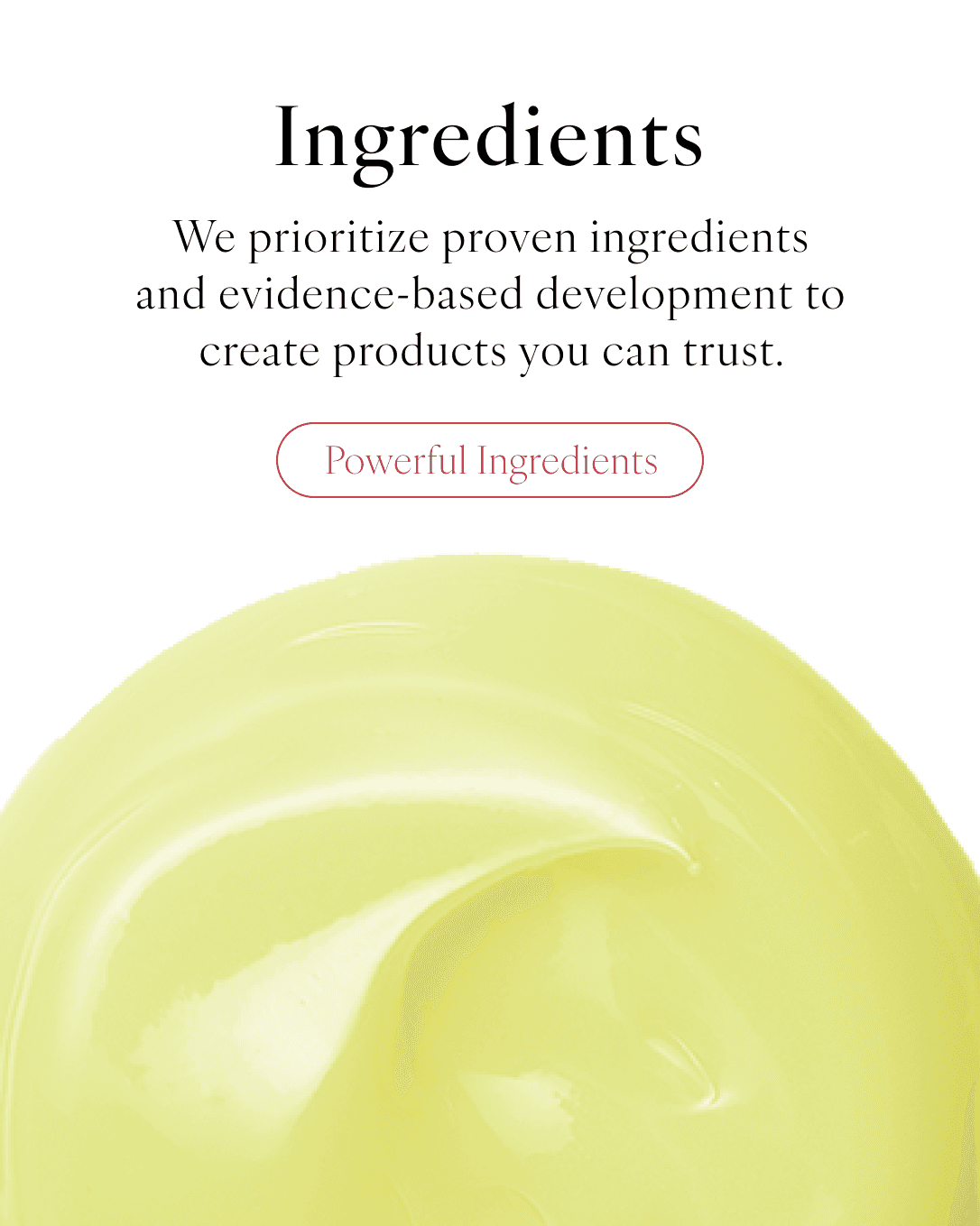
Product, texture, ingredient, and hand-held details give the system warmth without drifting into beauty cliché.
BRAND STORY
Experimenting emerging AI tools




06 / AMAZON LISTING REDESIGN
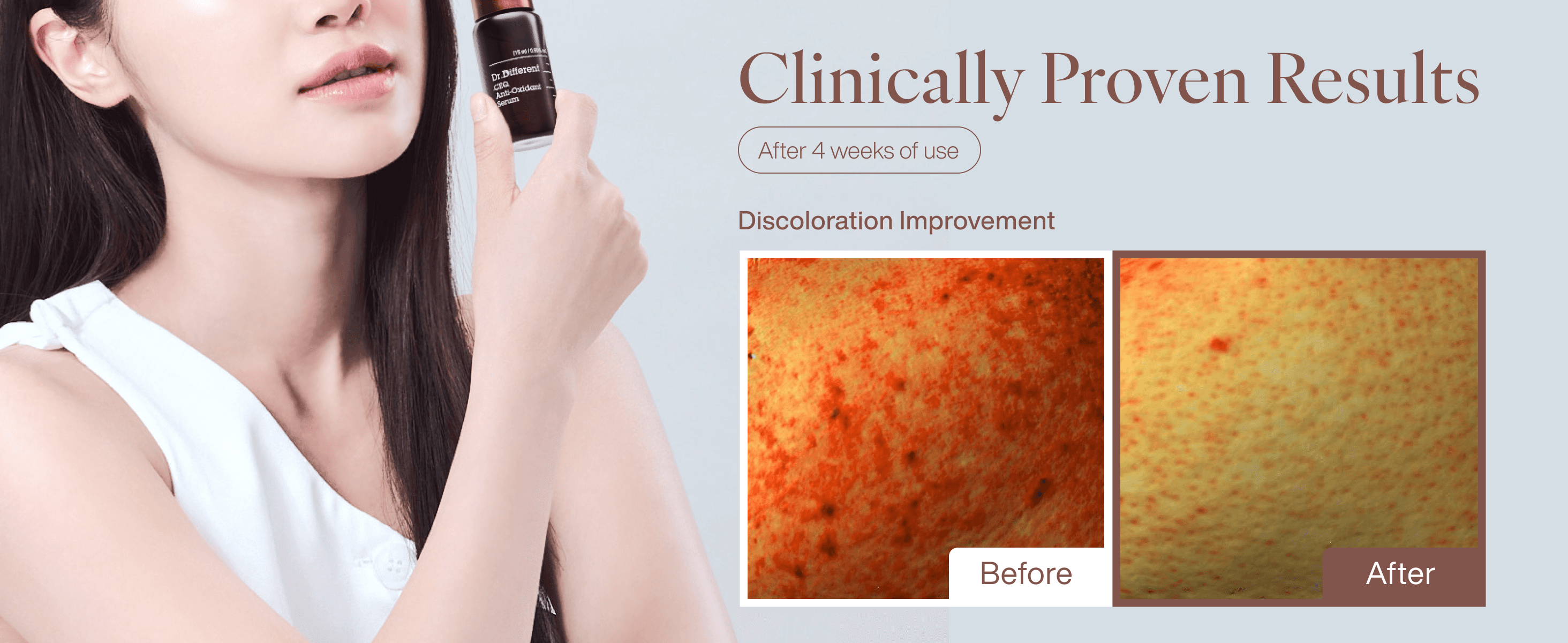
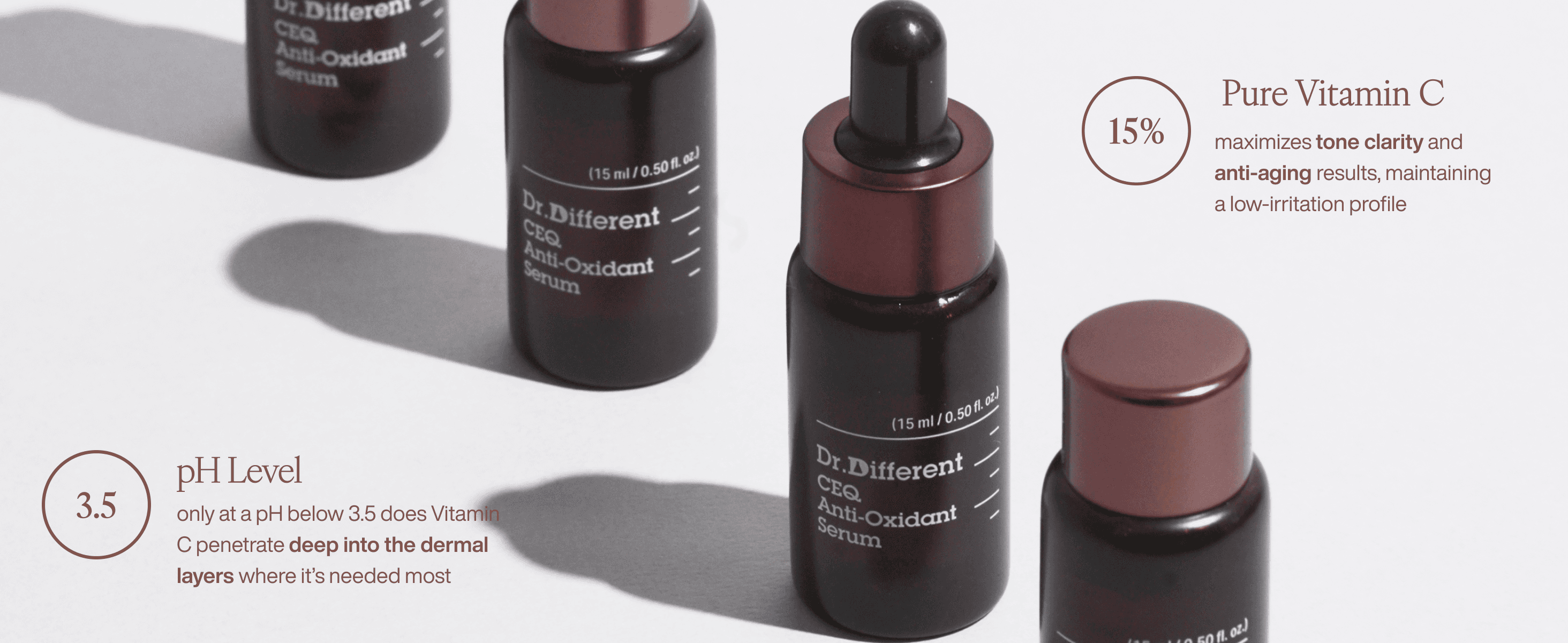
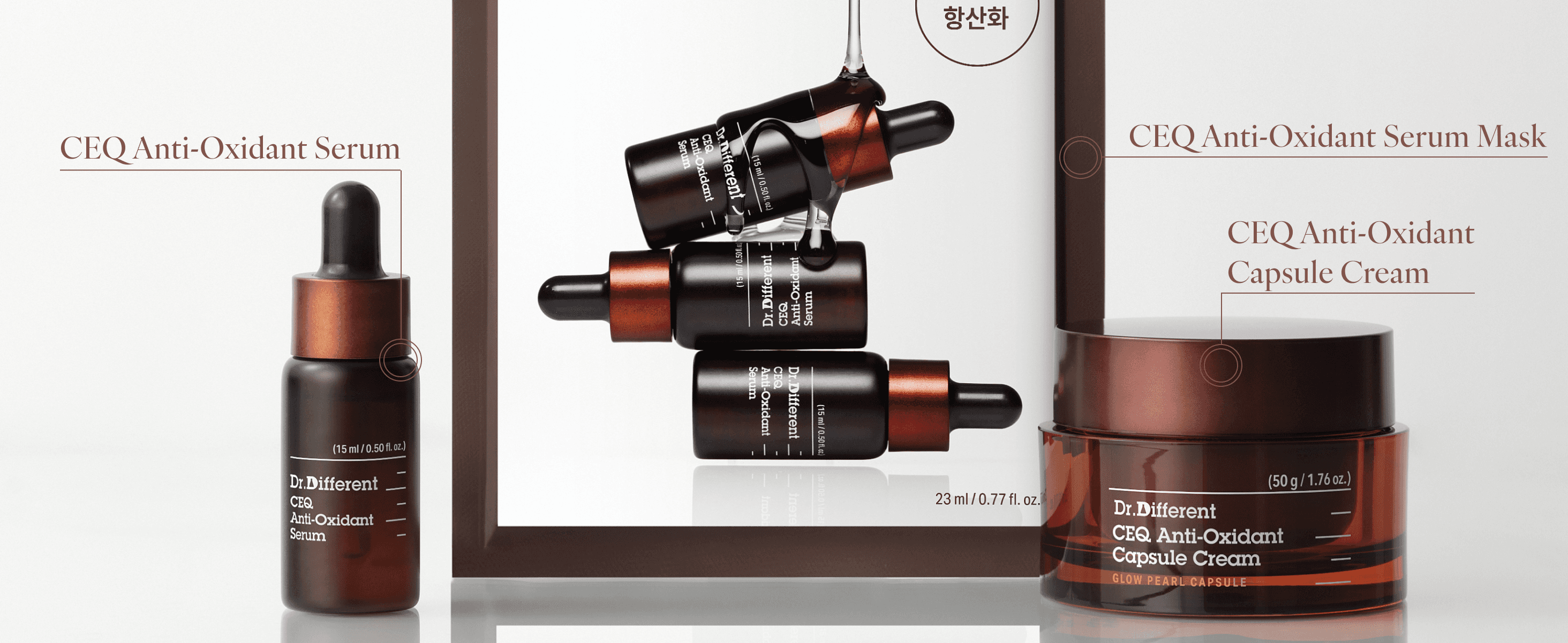
Every screen explains one decision at a time

OBJECTIVE
Create an immediate reason to care before asking shoppers to parse clinical detail.
HIERARCHY
Benefit-led entry point, followed by the key active ingredient and proof of credibility.
CONSUMER TAKEAWAY
“I understand what this product does, why it is credible, and how it fits my routine.”
DESIGN DECISIONS
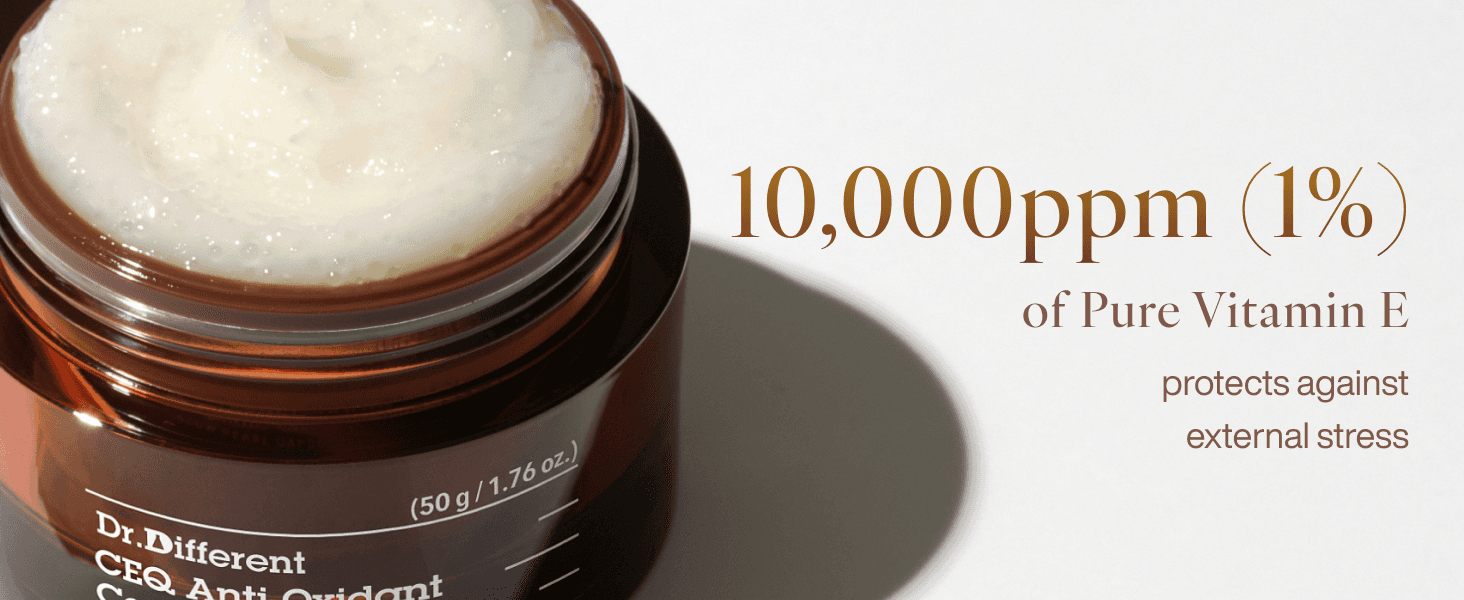
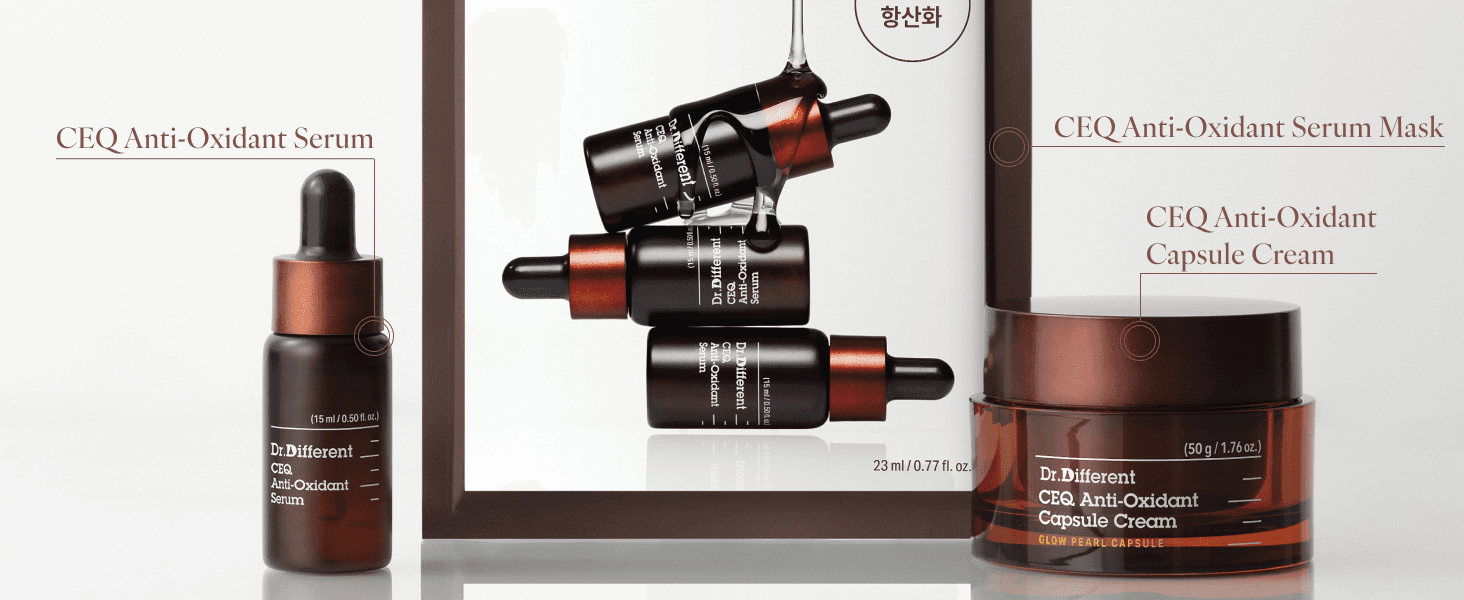
CEQ LINE-UP #1









BRAND STORY
CEQ LINE-UP #3

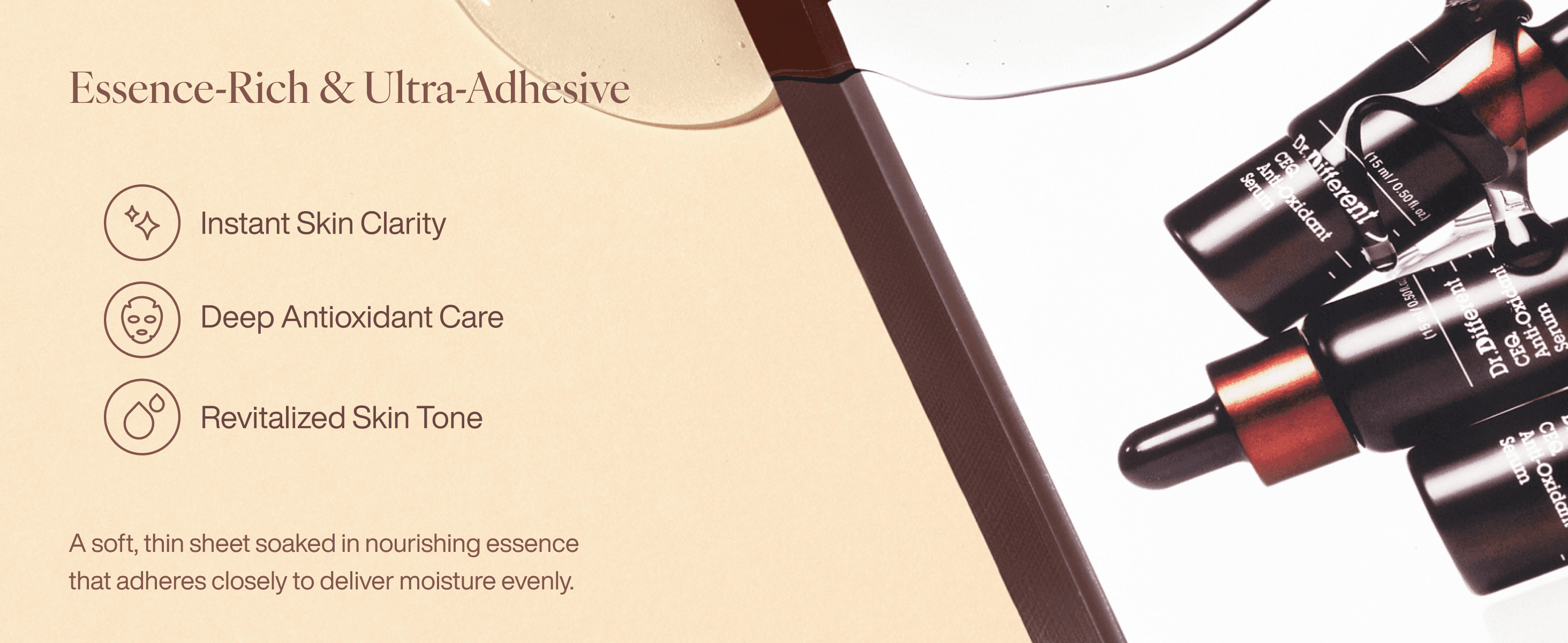


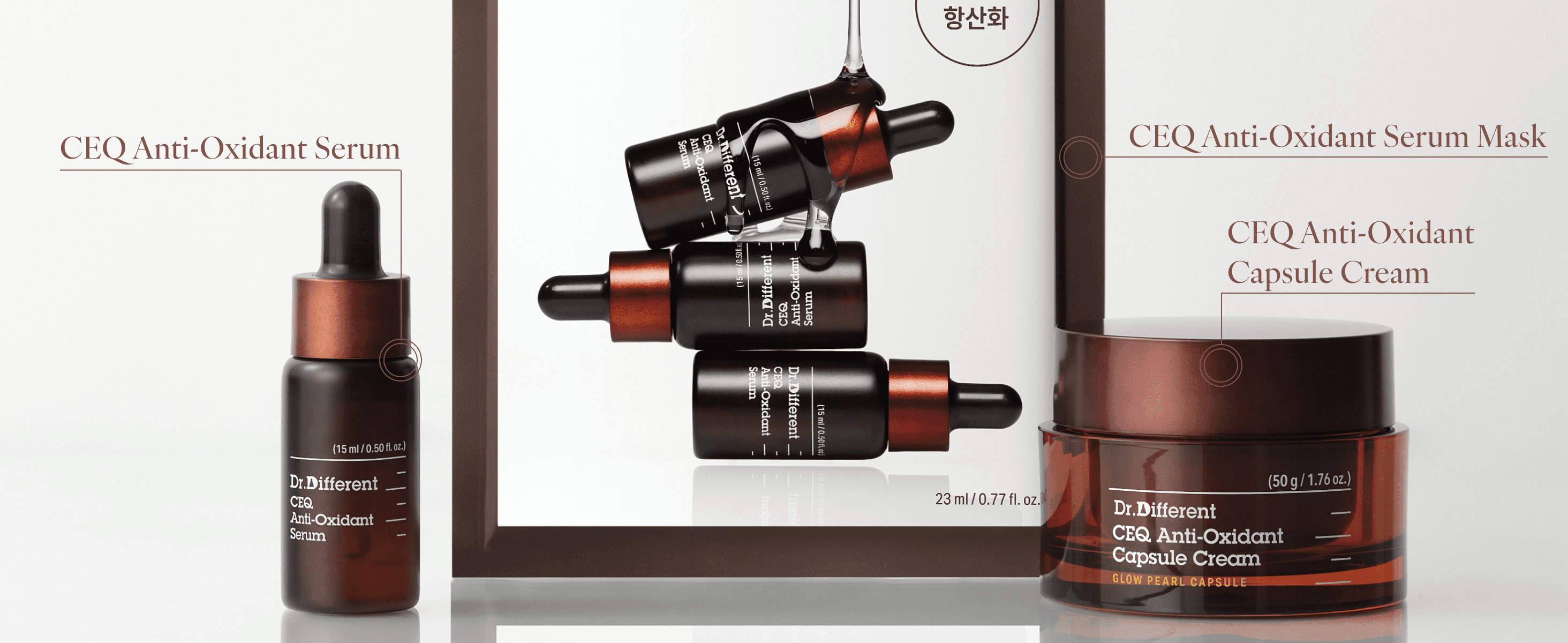


BRAND STORY
CEQ LINE-UP #2

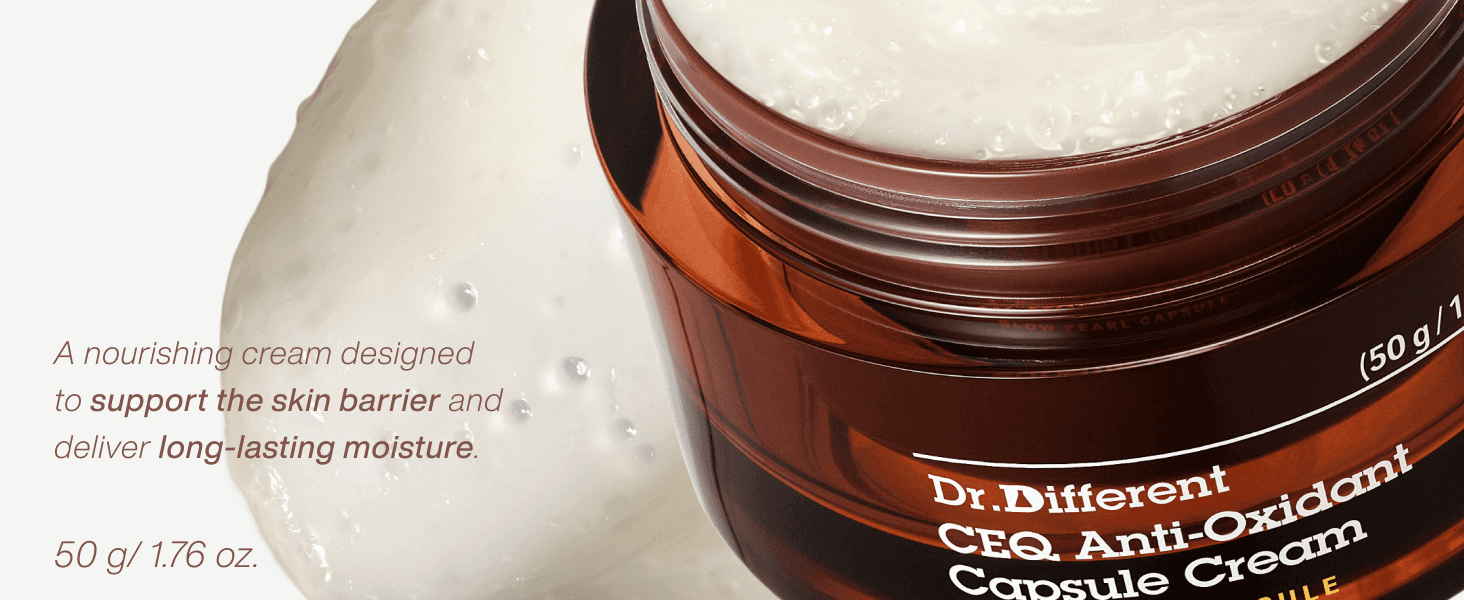


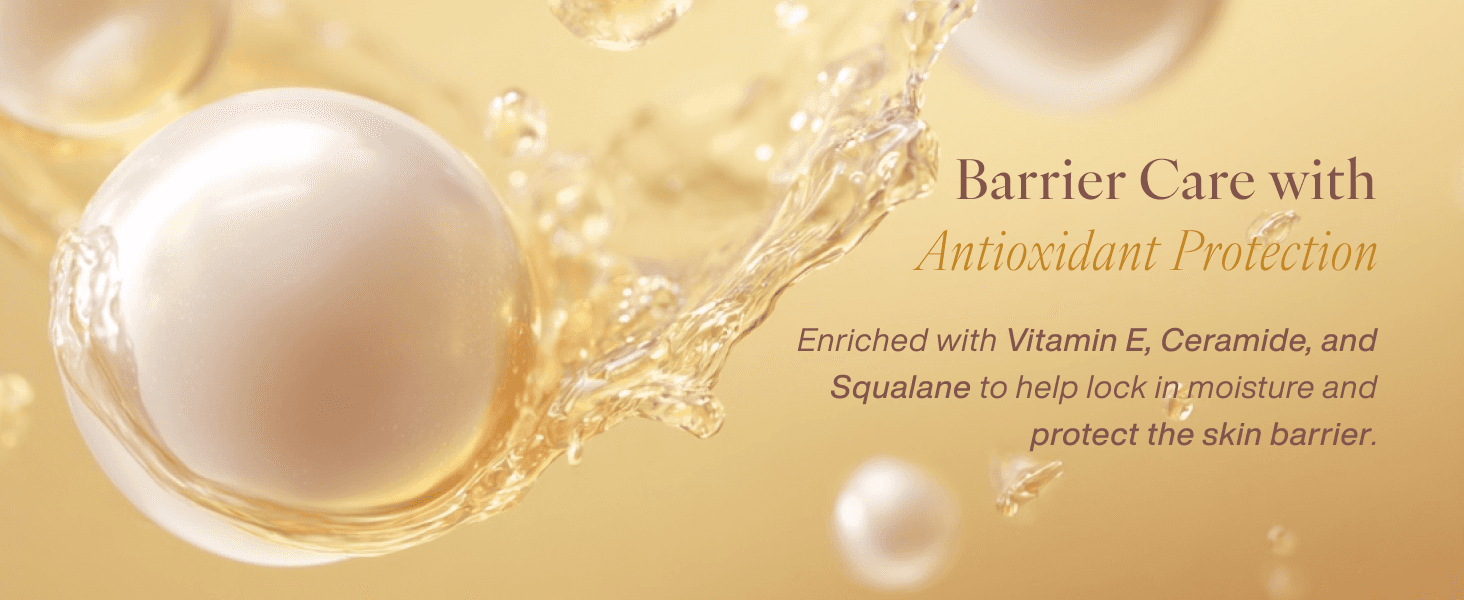






03 / RESEARCH
Building a visual language around scientific trust
The direction came from studying the Amazon skincare ecosystem, premium beauty references, consumer scan behavior, packaging consistency, and the visual hierarchy of clinical information.
01 — Clarity before decoration. Every visual should explain, not distract.
02 — Scientific, not clinical. Expertise without intimidation.
03 — Premium through restraint. Whitespace and hierarchy over effects.
04 — Consistency builds recognition. Each product page should feel unmistakably Dr. Different.
02 / THE CHALLENGE
Clinical expertise was present—its value was simply hard to see.
01
Complex Information
Clinically supported ingredients were difficult for everyday consumers to understand at speed.
02
Visual Inconsistency
Listing pages lacked a shared hierarchy, so every product had to rebuild recognition from the beginning.
03
Low Product Differentiation
Consumers could not quickly understand why Dr. Different was distinct from a crowded skincare category.
04 / INFORMATION ARCHITECTURE
Reorganizing information around how people decide
BEFORE
Random sequence of information
Ingredients scattered throughout
Weak hierarchy
Benefits competing with technical claims
→
AFTER
Problem → Solution → Ingredient → Benefits → Clinical credibility → Product usage → Key differentiators
The revised sequence follows a shopper’s natural scan: establish relevance first, make the product’s benefit immediate, then provide the evidence that earns confidence.
07 / PRODUCT STORYTELLING
Turning clinical claims into moments people can understand
CLINICAL INGREDIENT
↓
Consumer-friendly explanation
SCIENTIFIC MECHANISM
↓
Daily benefit
TECHNICAL FORMULATION
↓
Visual storytelling
08 / RESULTS
A reusable visual foundation for confidence
Created a cohesive visual system across Amazon product listings.
Improved readability of technical skincare information without diluting credibility.
Established reusable brand guidelines for future product storytelling and marketing assets.
DESIGNING FOR TRUST
Consumers rarely purchase skincare because of ingredients alone. They purchase confidence.
This project reinforced that effective brand design reduces uncertainty: it makes expertise understandable, supports informed decisions, and gives complex products a human voice.
NEXT STEPS
REFLECTION
Leading iJournal fundamentally changed how I think about product development.
Rather than viewing project management as task coordination, I learned that successful product delivery depends on creating shared understanding between people with different priorities, expertise, and expectations. The most valuable decisions were often not technical—they were communication decisions that clarified scope, aligned stakeholders, and enabled developers to work with confidence.
This experience strengthened my appreciation for product leadership as a design discipline in itself. By establishing consistent communication, documenting decisions, and translating stakeholder needs into actionable work, I helped guide a multidisciplinary team toward delivering a product that continues to support the organization beyond the project's completion.
NEXT PROJECT