BURKE · DESIGN SYSTEM + UX DESIGN
Building a Design System to Transform Experience of Burke Museum for Young Learners

BURKE MUSEUM : Little Burke
OVERVIEW
The Burke Museum's website primarily served adult audiences, creating a disconnect for one of its most important stakeholders—children. For children between the ages of 8 and 12, navigating content designed for adults can quickly become overwhelming. Dense information, inconsistent navigation, and limited interactive experiences reduce engagement before learning even begins. Our team redesigned the digital experience by combining children's UX research, gamification, and scalable design systems to create an engaging platform that encourages exploration and learning.
ROLE
UX Researcher & Designer
TEAM
Kazuma I., Kai A., Eric D.
DURATION
10 Weeks
SOFTWARE
Figma
AT A GLANCE
PROBLEM
Students manage assignments in Canvas, schedules in Google Calendar, announcements through email, and personal tasks using separate productivity apps. Every additional platform increases the cognitive effort required to stay organized. Rather than helping students study more, many existing planning tools simply create another place where information must be manually entered and maintained.
CHALLENGE
ow might we redesign the Burke Museum's digital experience to better engage children while preserving the museum's educational mission?
OUTCOME
A redesigned museum experience supported by a comprehensive design system that encourages curiosity while maintaining consistency across the platform. A research-driven prototype demonstrating how thoughtful interaction design can strengthen educational engagement for younger audiences.
FINAL DESIGN
WEBSITE DESIGN


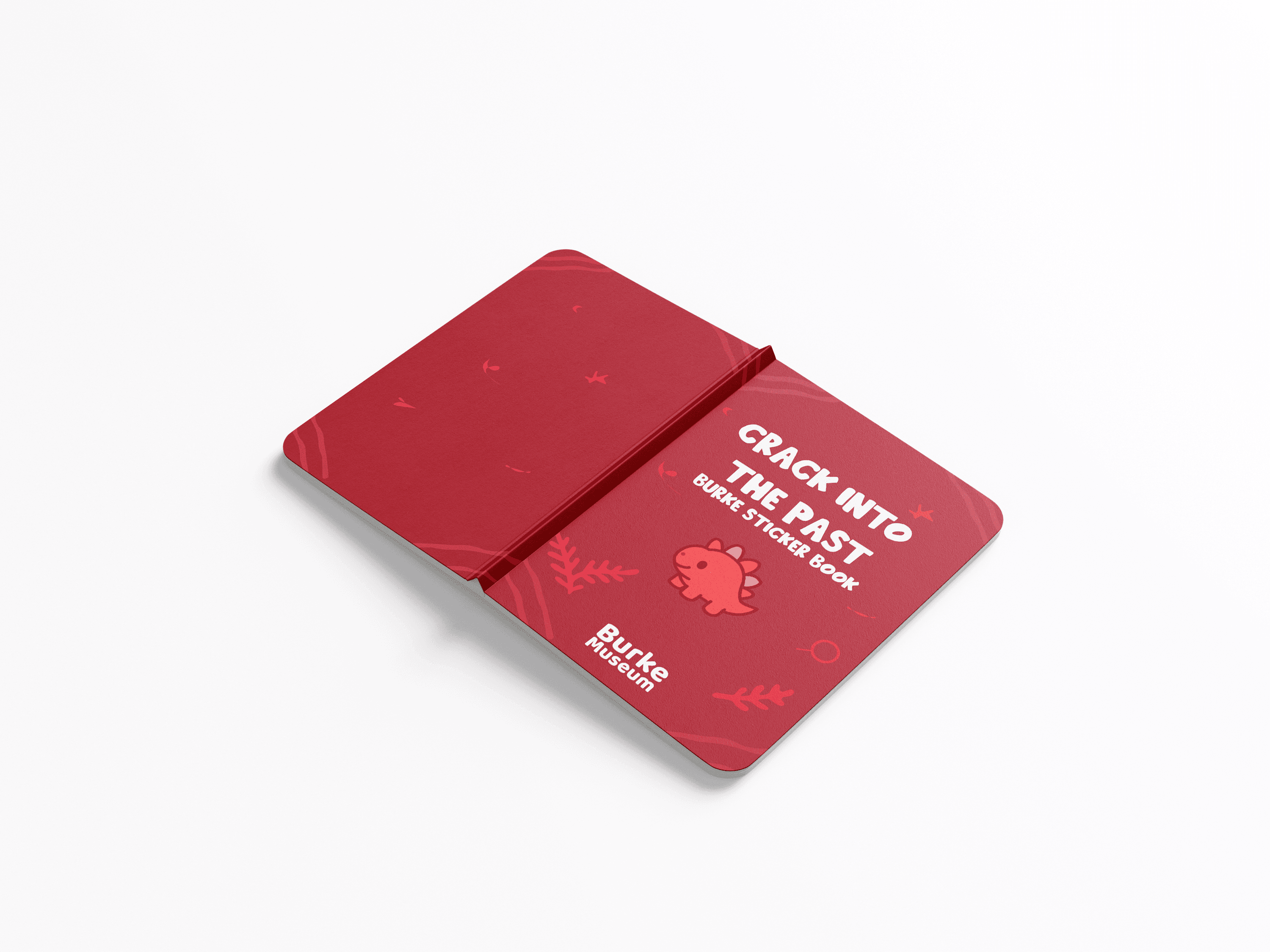
BOOK DESIGN


CONTEXT
COMPANY OVERVIEW
CMES Robotics is a Korean AI robotics company that develops intelligent automation solutions for manufacturing, logistics, inspection, and industrial operations. Their product portfolio includes robotic guidance systems, palletizing solutions, machine vision, pick-and-place automation, and AI-powered inspection technologies.
Because these solutions are highly technical, first-time visitors often struggled to identify which products fit their needs, leading to missed engagement opportunities and increased reliance on manual customer support.
PRIMARY BUSINESS CHALLENGES
Information-heavy product pages that overwhelmed visitors
No customer support outside business hours
High visitor drop-off before contacting the company
Limited understanding of customer interests and purchasing intent
MY ROLE
I served as both the Project Manager and AI Chatbot Developer, bridging communication between the client, technical stakeholders, and the development team throughout the project.
OVERVIEW
How might we help the Burke Museum better engage one of its key audiences—children ages 8–12? Working in a team of four designers, we conducted extensive user research, competitive analysis, and usability testing to identify gaps between the museum’s existing digital experience and younger visitors.
We then developed a cohesive design system and gamified website redesign tailored to children's needs, creating a more engaging, accessible, and educational online experience while ensuring consistency across the entire platform.
We then developed a cohesive design system and gamified website redesign tailored to children's needs, creating a more engaging, accessible, and educational online experience while ensuring consistency across the entire platform.
Market Research

OUTCOME
KEY RESPONSIBILITIES
The project was recognized with the Best Overall Award, reflecting the successful collaboration between the client and development team.
01.
Priorio demonstrates how thoughtful AI integration can simplify complex workflows without sacrificing transparency or user agency.
02.
By grounding every design decision in research and focusing AI on moments of genuine need, we created a concept that emphasizes trust, personalization, and cognitive support over novelty.
03.
More importantly, the project reinforced a product philosophy that continues to guide my work:
04.
The best AI experiences don't replace human decision-making—they make better decisions feel easier.
NEXT STEPS
REFLECTION
Building a Design System for Burke Kids reshaped my outlook and perspective on design and how different target audiences set a standard for a more fluent user experience.
This experience strengthened my appreciation for product leadership as a design discipline in itself. By establishing consistent communication, documenting decisions, and translating stakeholder needs into actionable work, I helped guide a multidisciplinary team toward delivering a product that continues to support the organization beyond the project's completion.