


Supported by the Mary Gates Research Scholarship, GYEOL aims to build the framework of AI-generative image usage and investigates how AI can support interpretation of cultural patterns/textiles/artifacts into contemporary work. My goal of this project was to successfully build an AI model that adopts accurate cultural aspects and structure.
ROLE
R&D Project Manager, AI Developer
ORGANIZATION
University of Washington
DURATION
9 Months
SOFTWARE
ComfyUI • LoRA Training/ JavaScript • REST API • OpenAI API • Figma
RESPONSIBILITIES
Design Research · UX Research • AI Training • Data Collection • Interaction Design • Research Analysis • Prototyping · HCI
RECOGNITION
Mary Gates Research Scholarship

AT A GLANCE
UNDERSTANDING THE CONTEXT
결 — Gyeol is a Korean word used to describe the grain, texture, flow, or underlying character of a material. It can refer to the grain of wood, the texture of fabric, the movement of a surface, or the distinctive quality that gives something its identity. I chose the name because the project investigates the deeper visual logic behind them—the repetitions, rhythms, structures, materials, and cultural ties that form their gyeol.
PRIMARY RESEARCH QUESTION
APPROACH
Collected and categorized Korean visual references, studied their structural characteristics, and tested how algorithmic and AI-based methods could reconstruct them as contemporary textures and patterns.
CONTRIBUTION
Built the cultural dataset, conducted visual analysis, developed the generative design direction, and iterated on AI-generated outputs.
OUTCOME
A collection of experimental texture systems demonstrating how generative technology can support cultural reinterpretation while revealing the limitations and biases of AI-generated imagery.
PROBLEM
WHY THIS PROJECT MATTERS & THE CHALLENGE
Can AI meaningfully reinterpret cultural design, or does it only reproduce the visual surface of culture?
Generative AI can produce culturally inspired imagery, however, visual similarity does not equal cultural understanding.
When prompted to generate “traditional Korean patterns,” AI systems tend to combine unrelated symbols, reproduce stereotypical imagery, or imitate neighboring visual traditions without understanding the historical context behind them.
CHALLENGES
01 Identify which qualities made the source material culturally distinctive
02 Determine how those qualities could be translated into a generative system without becoming generic decoration.
RESEARCH PROCESS
RESEARCH SUMMARIZATION
01 — Secondary Research / Literature Review - Process of building an archival data collection
02 — Expert Interviews / Interview with experts in the field to gain insights on frameworks of cultural reinterpretation and AI research ethics
03 — AI Processing / Technical Tool Build / Built custom workflow with ComfyUI + Trained Custom LoRA Model with the data collection archive
04 — Design Translation / Generated pattern files -
05 — Prototype + Iteration / Early flows tested whether summaries felt reflective, transparent, and authored by the user.
05 — Prototype + Iteration / Early flows tested whether summaries felt reflective, transparent, and authored by the user.

Research board workflow visualization
SECONDARY RESEARCH
RESEARCH PROCESS IN-DEPTH
Building a Cultural Reference Archive
01. LITERATURE REVIEW
02. OFFICIAL GOVERNMENT ARCHIVES
RESEARCH PAPER
RESEARCH PAPER
RESEARCH PAPER
RESEARCH PAPER


DATA COLLECTION
Collected 200+ Sample Data
ANALYZING PATTERN
Textile patterns of animals, clouds,
FRAMEWORK
DESIGN DECISIONS
Guided prompts, transparent summaries, reflection-first flow.
DESIGN & DEVELOPMENT
TECHNICAL WORKFLOW / PROCESS
01. KYOHYA
02. Preserve user agency
The system may suggest patterns, but users remain the authors of their own stories.
03. Transparency builds trust
Make visible how an insight was generated and where AI is uncertain.
04. Meaning emerges through conversation
Design reflection as a process of noticing, revising, and returning—not a single answer.


COMFYUI WORKFLOW


01 / WORKFLOW DESIGN
Mapped material creation steps and identified where artists repeatedly moved files, rebuilt maps, and retested the same decisions.
02 / OPENAI API GENERATION
Built custom ComfyUI nodes with Python and JavaScript, tested emerging models, and connected generation stages into a repeatable artist-facing workflow.
03 / UPSCALING
Developed a Three.js material viewer to inspect generated maps on multiple geometries with real-time roughness, metalness, normal, lighting, and tiling controls.
04 / TESTING + TRANSFER
Evaluated failure modes, refined parameters, and created Korean-language documentation for setup, node connections, errors, and export instructions.
RESULTS


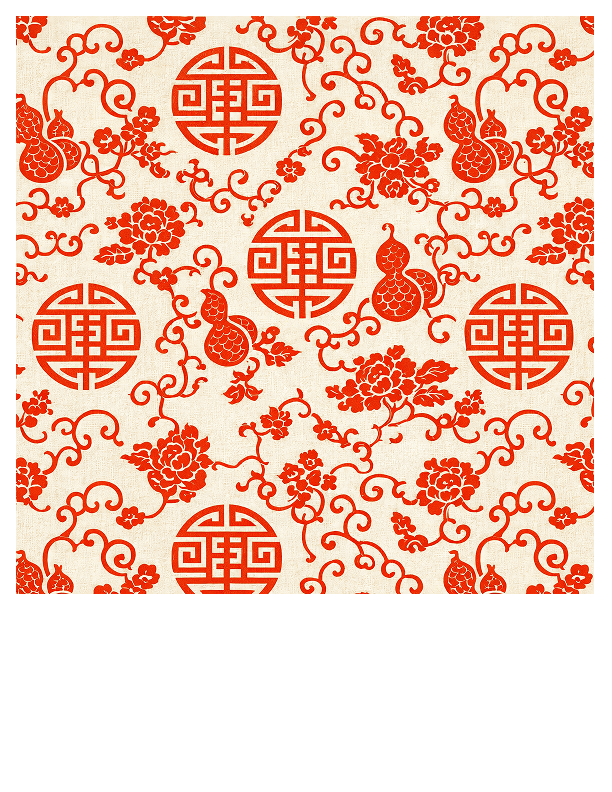




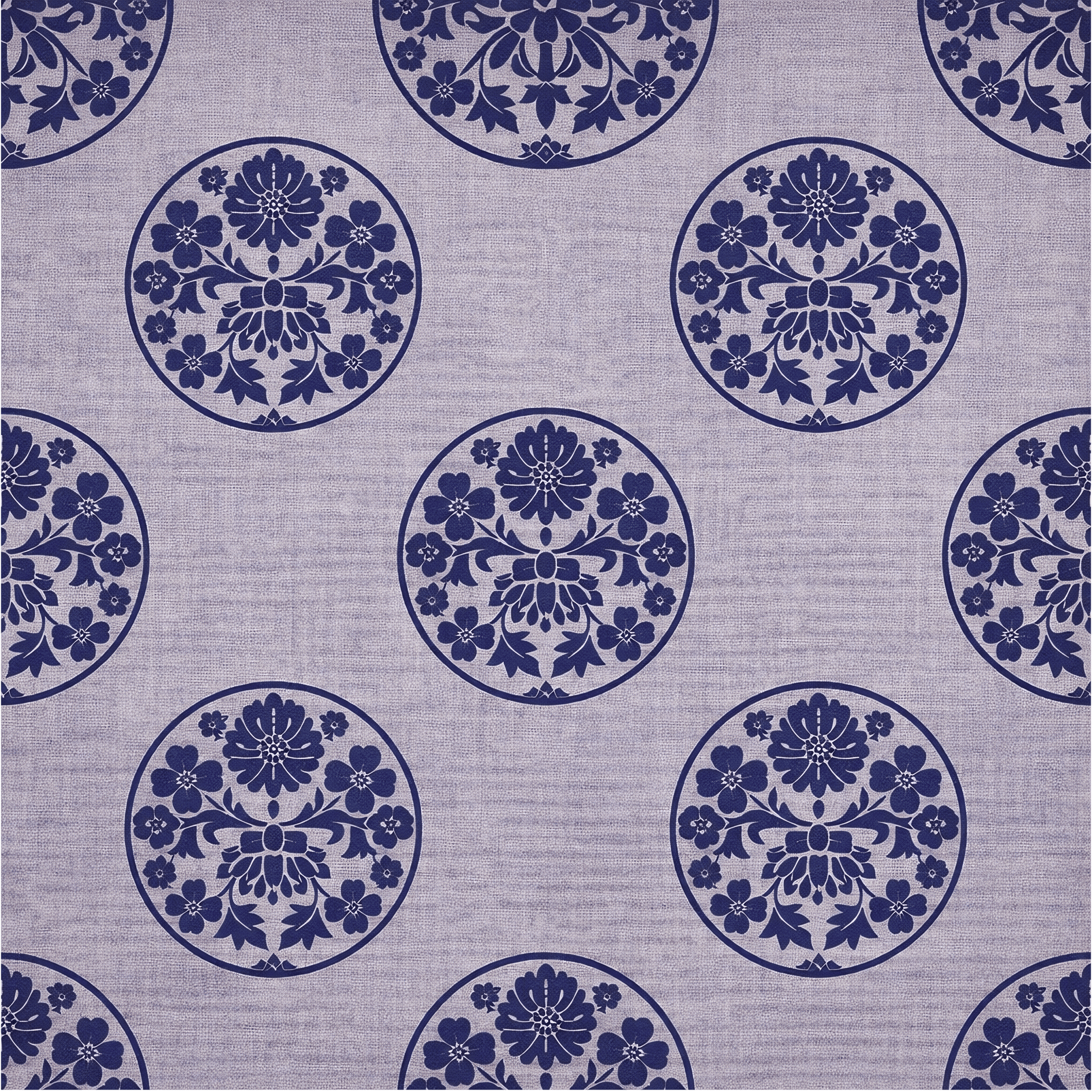



KEY FINDINGS
EVALUATION OF RESEARCH
What the Research Revealed
RESEARCH INPUTS
Literature review, interviews, reflective exercises, prototype probes.
OBSERVATIONS
Moments of hesitation, comparison, emotional specificity, and trust breakdowns.
RECURRING THEMES
Agency, accuracy, reflection depth, transparency, and user authorship.
DESIGN IMPLICATIONS
Prompt before summary, show reasoning, preserve ambiguity, invite reinterpretation.

01 Values were easier to articulate through comparison. Participants struggled with direct labels, but deeper meaning emerged when they compared experiences, conflicts, and decisions.
02 Trust depended on traceability. AI summaries felt useful only when users could understand which moments, words, or patterns shaped the interpretation.
03 Reflection deepened when AI paused. The most meaningful moments came when the system asked users to interpret, revise, or reject a generated pattern.
04 A supportive AI must know when not to answer. Gyeol reframes intelligence as facilitation: organizing thought without claiming ownership of meaning.
SYMPOSIUM | PRESENTATION PREP
SYNTHESIS
Translating Research into Design
The final direction is a guided reflection experience: users respond to structured prompts, AI identifies recurring themes, and the interface asks users to interpret those patterns before accepting them. The design differs from conventional AI tools by treating summary as a continuation of reflection rather than a conclusion.
DESIGN PROCESS

DESIGN PROCESS
Prototype and research artifacts shown as an annotated design archive, connecting final interaction choices back to the evidence that shaped them.

Prototype and research artifacts shown as an annotated design archive, connecting final interaction choices back to the evidence that shaped them.
Research Insight → Users needed time to form their own interpretation.
Design Response → AI summaries appear after reflection prompts, not before.
Why It Matters → The system supports agency instead of steering users toward premature conclusions.
Research Insight → Accuracy mattered less than feeling faithfully represented.
Design Response → Each generated theme is paired with the user’s own words and a prompt to revise or reject it.
Why It Matters → Trust is built through traceability and control.
Research Insight → Values emerged through patterns across experiences.
Design Response → The prototype visualizes recurring themes as relationships instead of isolated labels.
Why It Matters → Users can see meaning as evolving, connected, and open to interpretation.
06 / ITERATION
What did not work at first
Testing and Iteration
Prototype testing focused on what did not work: moments where AI felt too definitive, summaries that over-interpreted, and prompts that made reflection feel evaluative. Iterations softened the system’s voice, added explanation before interpretation, and introduced explicit moments for users to correct the AI.
Supported by the Mary Gates Research Scholarship
The project received competitive undergraduate research funding from the University of Washington, validating its rigor as an independently led research initiative. Deliverables included interview synthesis, interaction principles, prototype flows, and a research-backed design framework for reflective AI.
NEXT STEPS
What Gyeol Changed in My Practice
REFLECTION
“The future of AI isn’t defined by how many questions it can answer. It’s defined by how thoughtfully it helps people answer their own.”
Gyeol changed how I understand the ethical role of design in human–AI interaction. I entered the project thinking about AI as a tool for efficiency; I left more interested in systems that ask better questions, slow down interpretation, and protect the user’s right to define meaning for themselves.